New Frontiers in the Malawi Legal System
This summer, I am spending nine weeks living in Malawi working for the Malawi and Uganda Supreme Courts through the Sudreau Global Justice Institute (SGJI). The Sudreau Institute has been partnering with African Judiciaries for over fifteen years. They focus on rule of law issues, emphasizing the importance of rule of law to global justice.
Malawi has a young constitution written in 1994, and they are still writing and adjusting many laws to carry out their constitution. It is an honor and an incredible learning opportunity to serve their Supreme Court by contributing to research and writing as they shape this process.
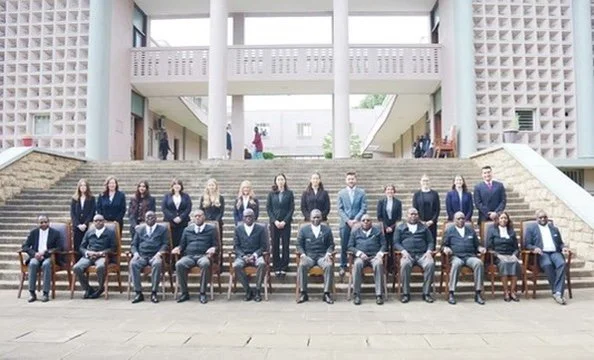
Photo in front of the Supreme Court with the Honorable Supreme Court Justices and Sudreau Global Justice Institute Interns
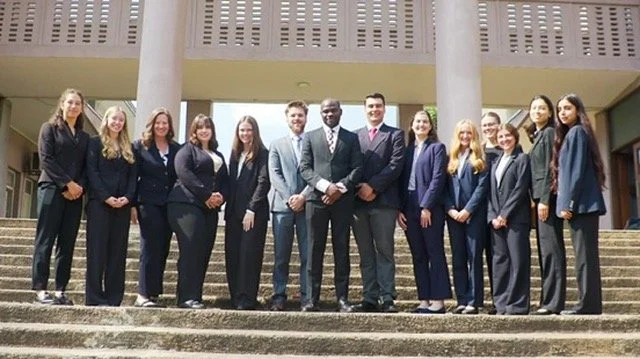
SGJI 2026 Malawi cohort
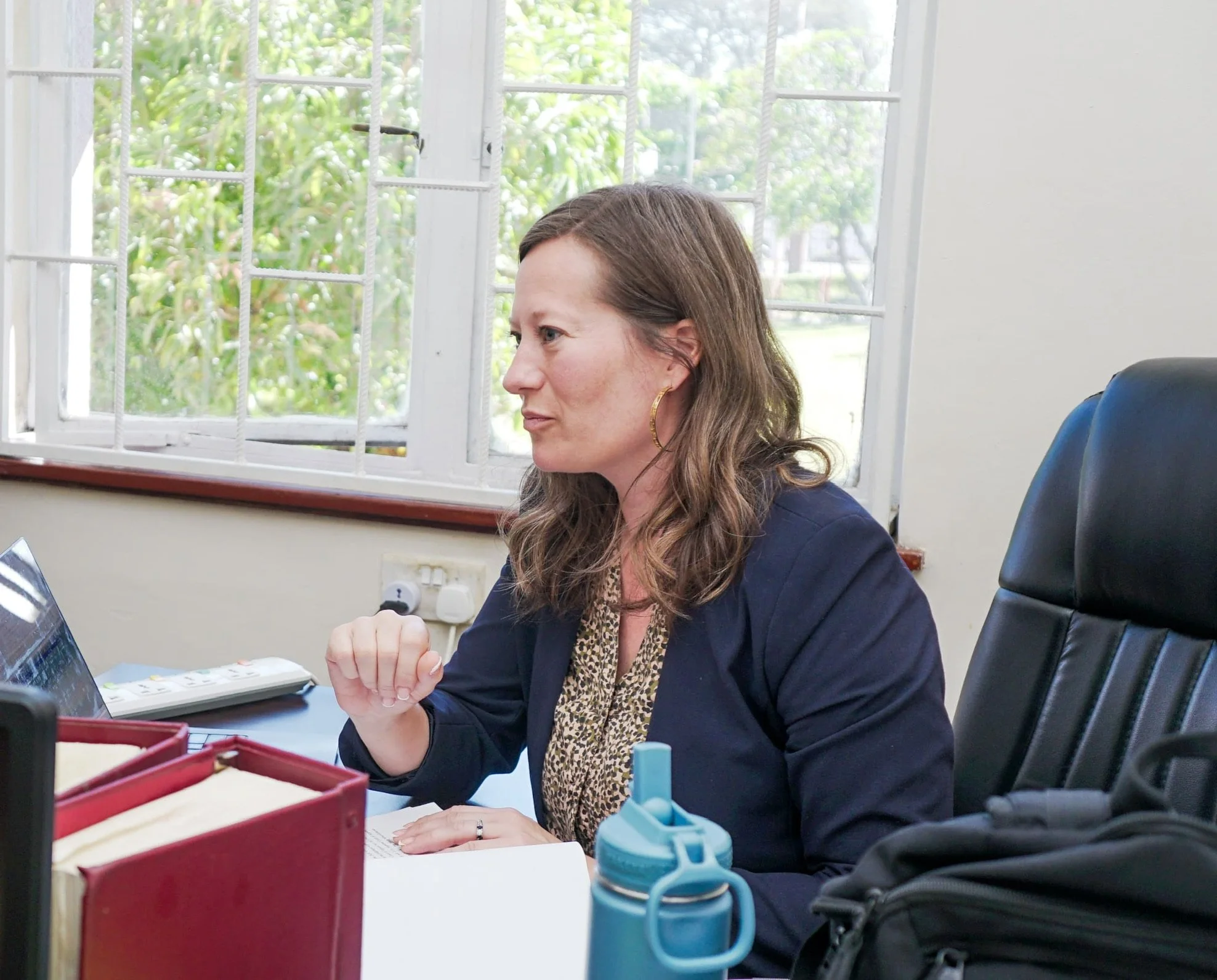
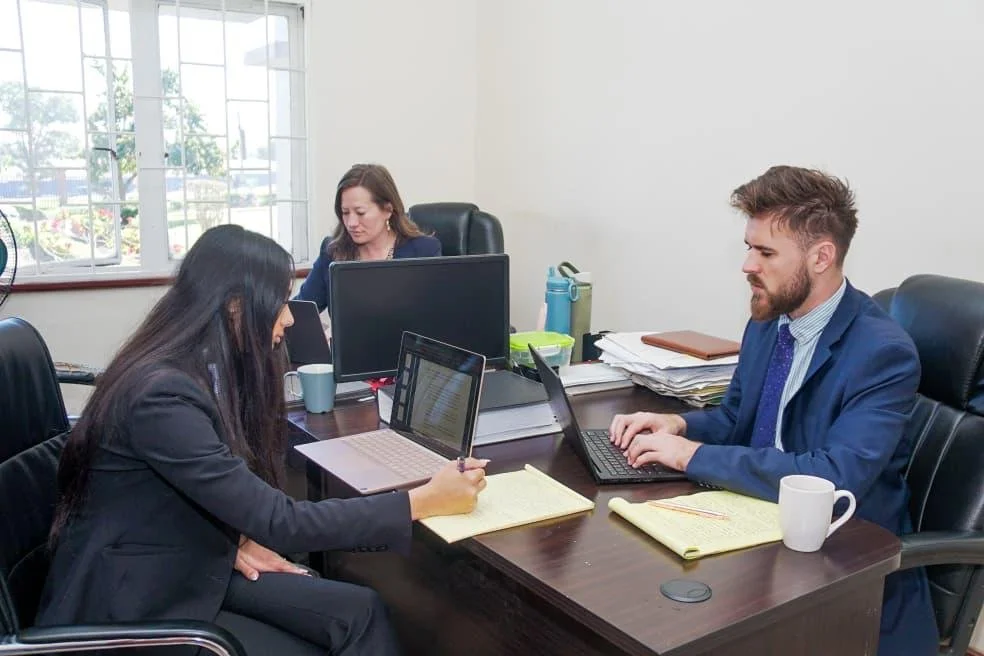
Working at the court offices
In addition to my daily work at the Malawi Judiciary in Blantyre, our group of legal interns spent a week earlier this month working in Zomba maximum security prison (Malawi’s largest prison). During this “Prison Project”, I was a part of a delegation from Malawi’s Judiciary, along with legal professionals from other African nations and the US. We were there to observe and assist local lawyers and judges as they historically implement plea bargaining into their legal system for the first time. Here is a description from the SGJI’s website describing the Prison Projects:
Prison Projects are made possible through long-standing relationships with the Chief Justices and judiciaries of the countries we serve… Our role is to come alongside and to contribute in ways that align with their vision and priorities. Throughout the project, we make every effort to respect and follow the established protocols that govern the administration of justice in each country.
In the United States, most cases do not go to trial. Instead, they are often resolved through alternative dispute resolution (ADR) methods such as negotiation, mediation, and arbitration for civil cases, as well as through plea bargaining for criminal cases.
In many parts of the world, these systems are not widely established, and the only way to resolve cases is through costly, lengthy trials. Without efficient ways to resolve cases outside of trial, courts become overwhelmed and backlogs grow. In some instances, it can take years for an individual to receive legal representation, regardless of whether they are guilty or innocent.
When cases are delayed, people remain in pretrial detention for long periods, and prisons hold far more people than they were designed for.
Before the project begins, we spend time engaging with individuals in pretrial detention by explaining the plea bargaining process and their legal rights. Those who are interested in speaking to and having their case file reviewed by our teams of attorneys put their names on a list, and the prosecution gathers their case files in advance. This preparation is a critical part of the work, helping ensure the process is clear, consistent, and reliable.
The project then takes place inside the prison. Participants are organized into teams of Pepperdine and local law students, led by American and local attorneys. Each team reviews a case, meets with the accused, and, when appropriate, works with the prosecution to pursue a just, agreed-upon resolution, which is then immediately presented to a judge for a ruling.
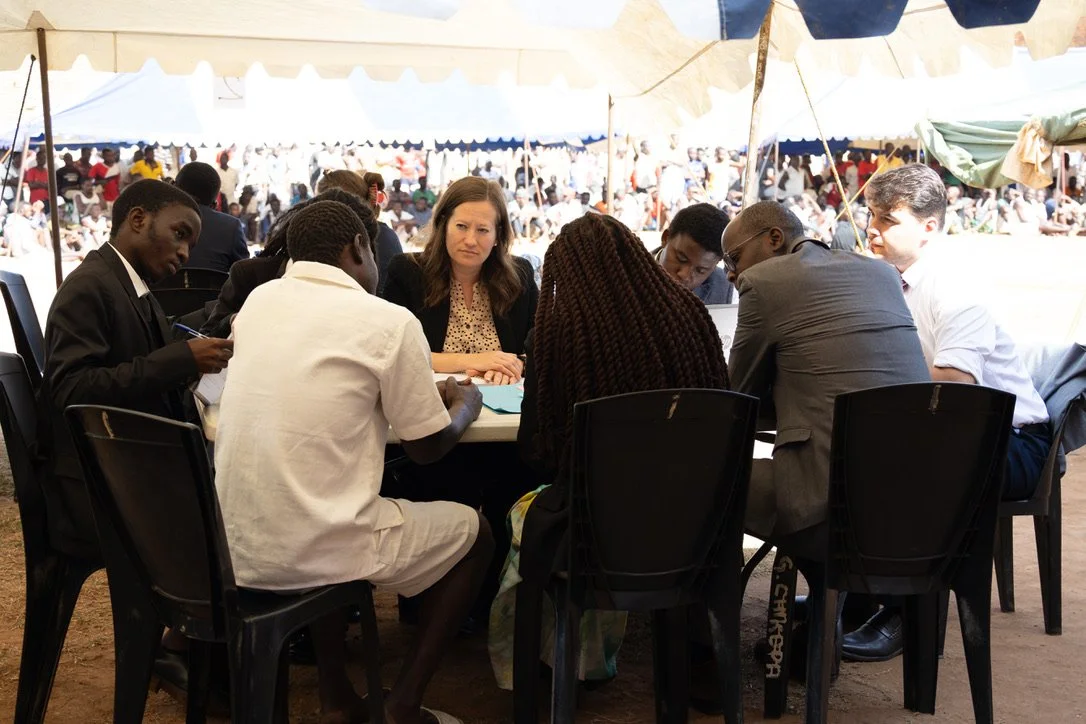
Consulting with a remandee during the Prison Project.
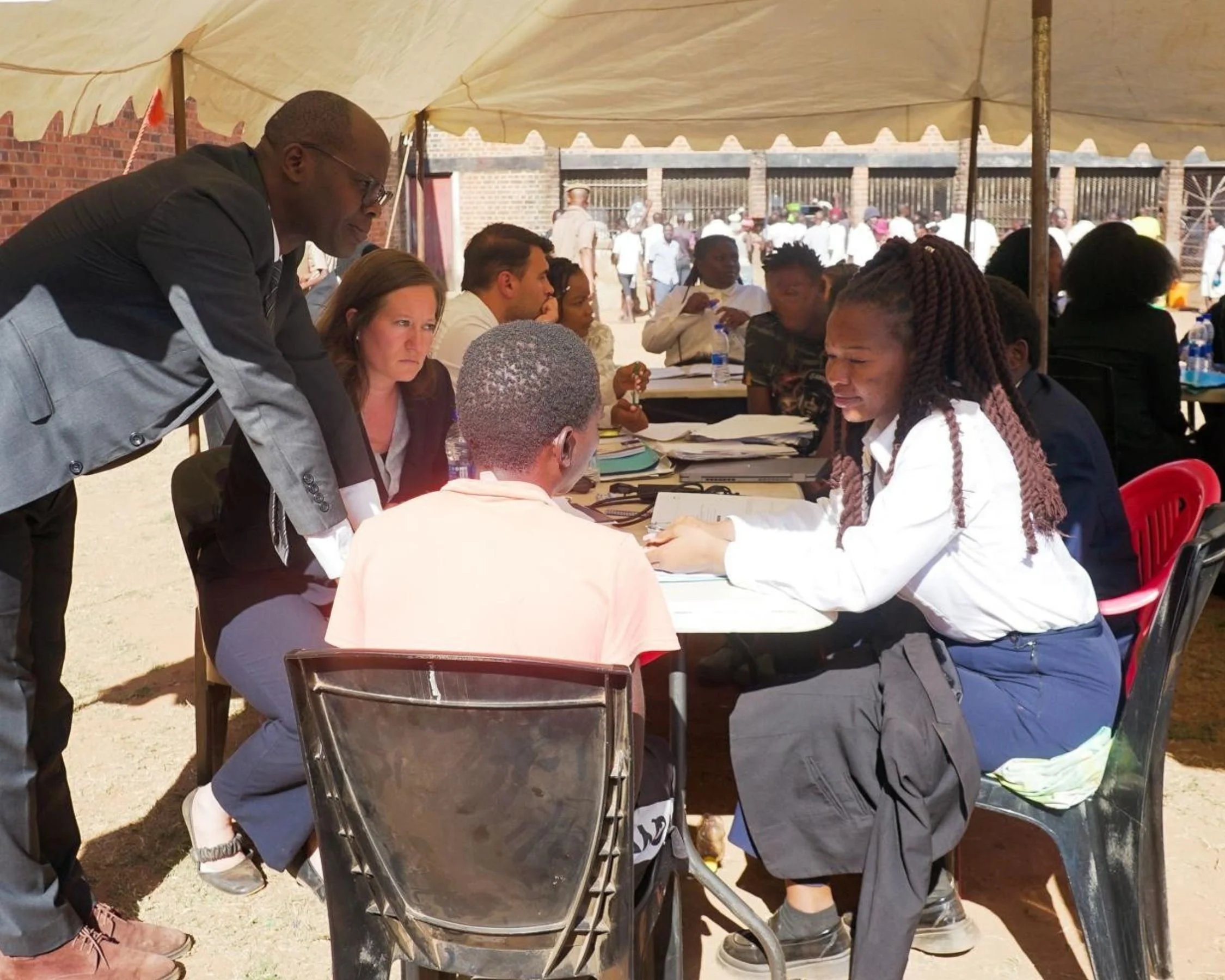
Consulting with a remandee during the Prison Project.
Here are some stories from the Prison Project:
One of our clients was only 18-years-old, he had never been to school and was not able to read or write. We were able to get his charge reduced to manslaughter. He received a minimum sentence that took into account time already spent in custody and the circumstances surrounding the commission of the offense.
Two men charged with murder had been showing signs of mental disability for years, one of them on remand in pre-trial detention since 2012. Both were still awaiting trial and had not been convicted. Their mental health concerns had long been recognised, yet the psychiatric assessments needed to determine whether they were fit to stand trial had never been carried out. During the Prison Project, we facilitated their assessments at the local Mental Hospital, finally moving the process forward. Both men were found unfit to stand trial or to meaningfully defend themselves, and the Court ordered their transfer to the Mental Hospital for treatment, rather than leaving them to remain indefinitely on remand.
This important work reminds me that justice is about far more than convictions or acquittals. It is about ensuring that every person, regardless of their circumstances, is treated fairly, with dignity, and in accordance with the law.
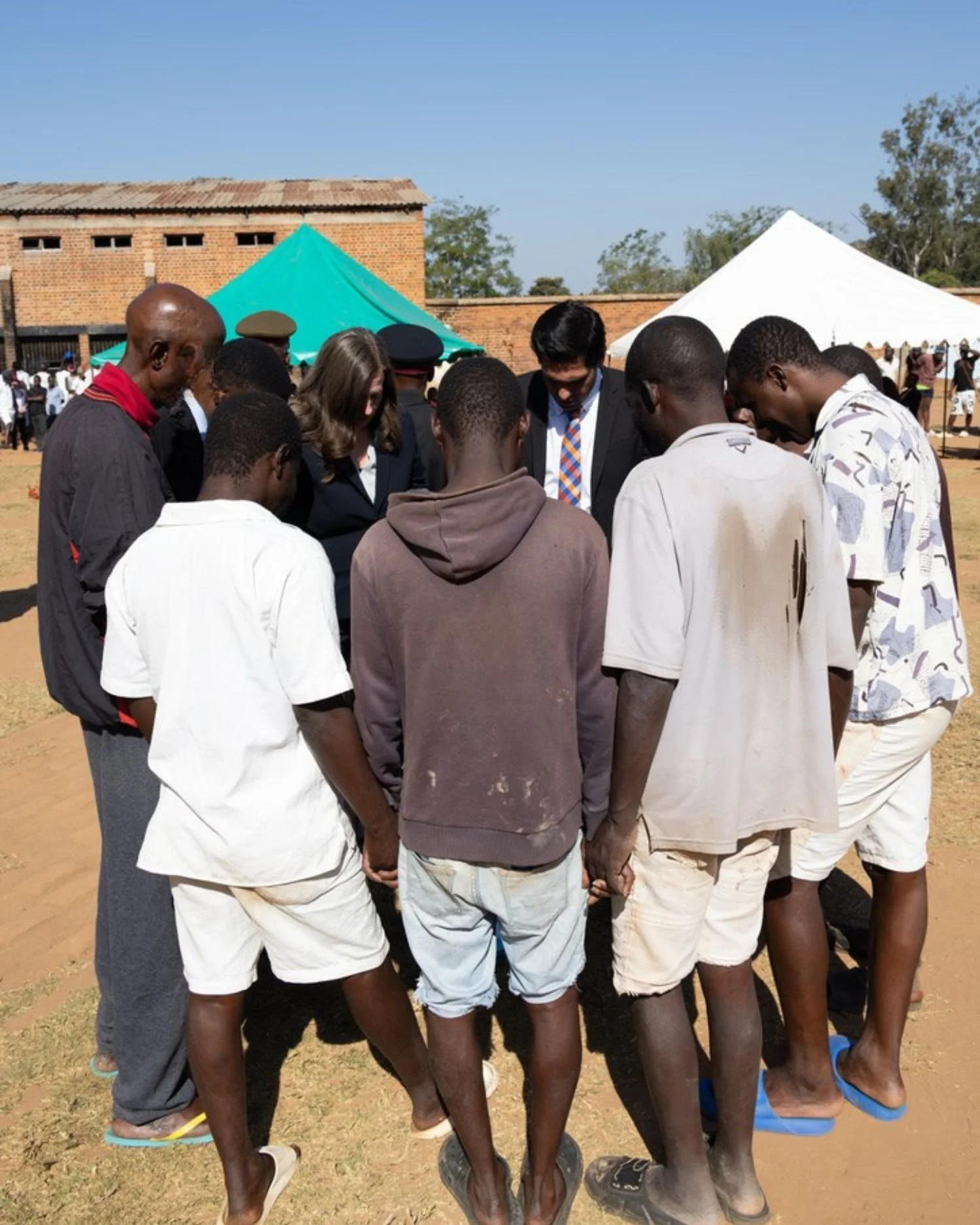
Praying with remandees before going to court during the Prison Project.
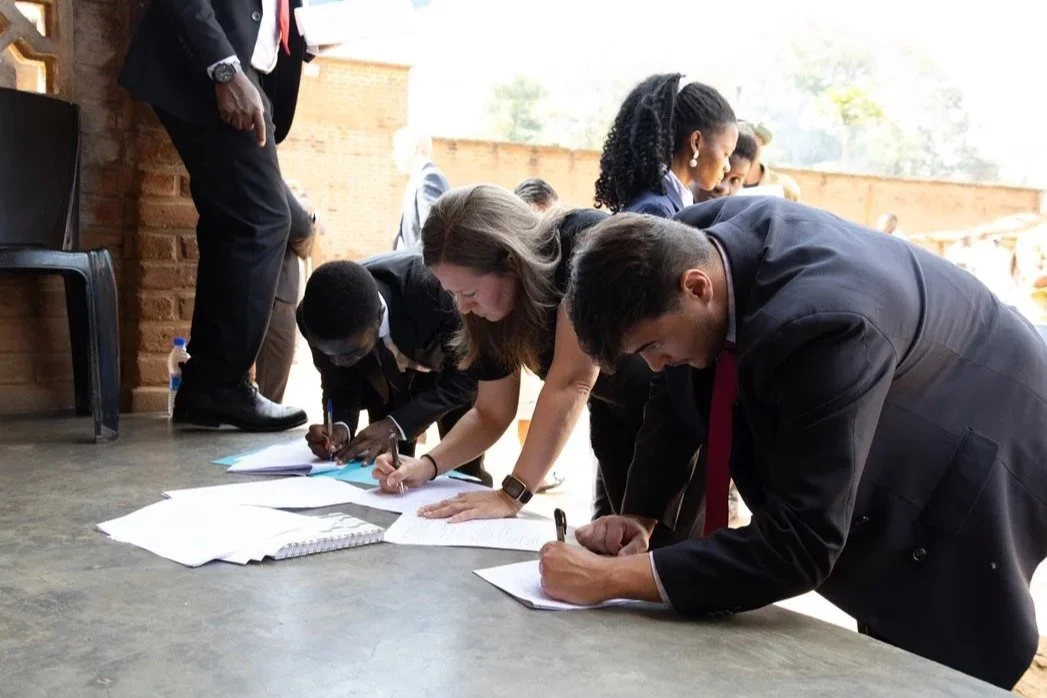
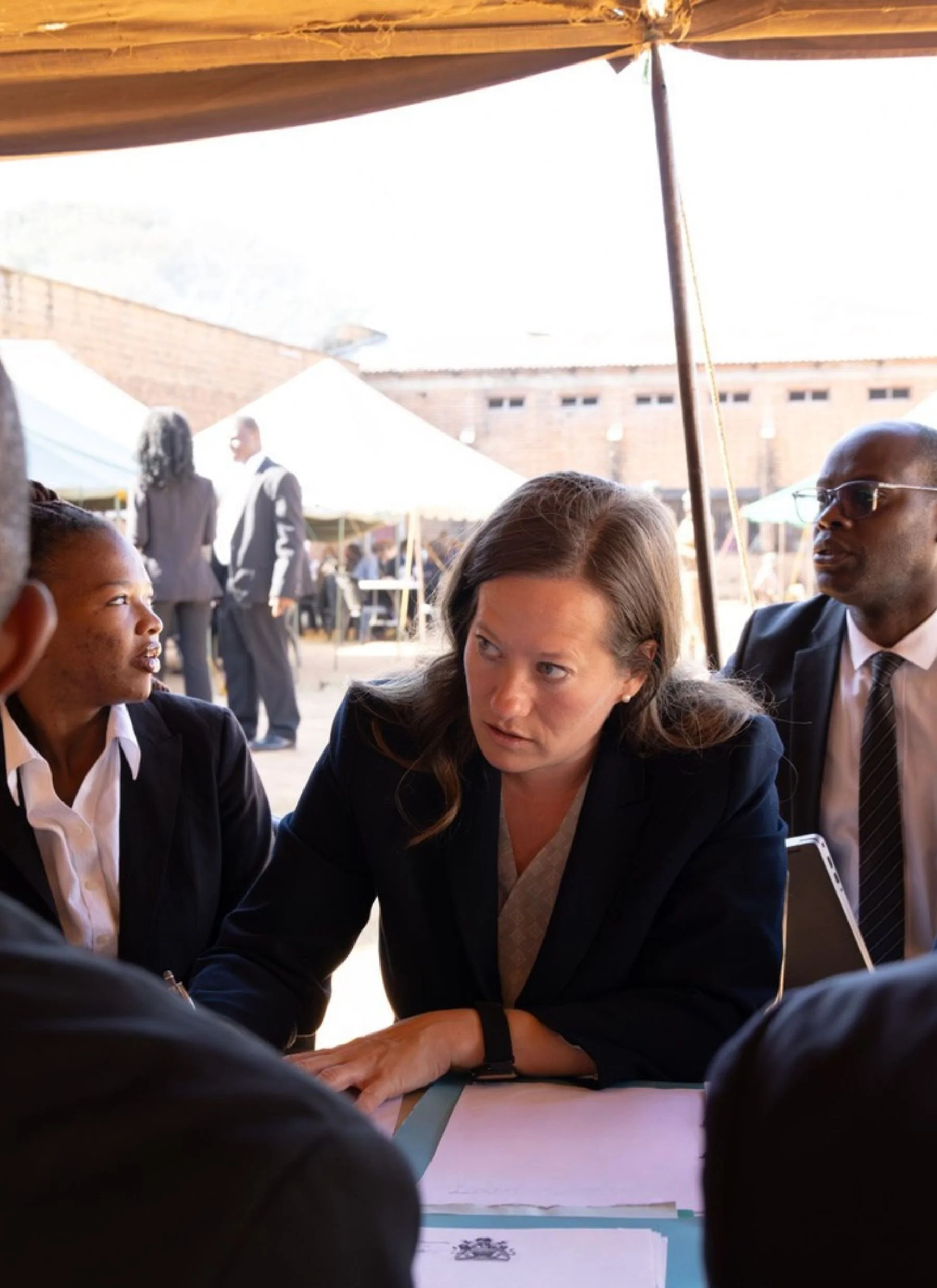
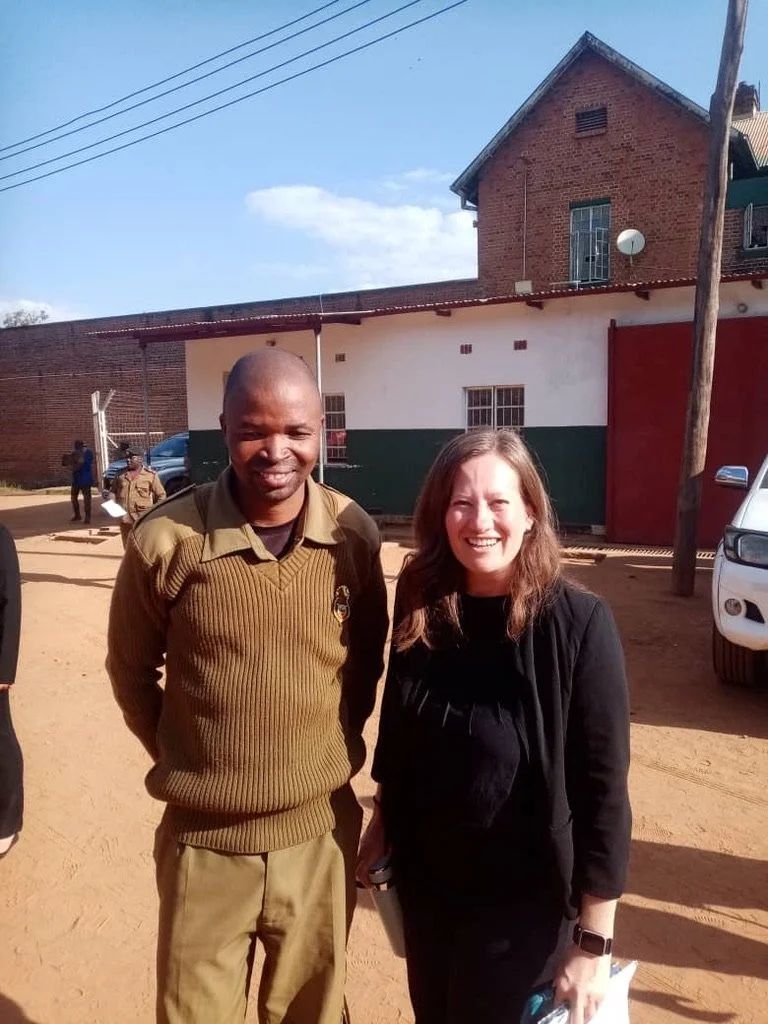
My time participating in the Prison Project was when I felt most in my element this summer. I was walking in my unique gifting, performing the type of work I was designed to do. I have spent time reflecting on the specific elements that made this experience so profound. First, the work allowed me to have one foot in direct client advocacy and the other in big-picture pursuit of overall systemic change through rule of law initiatives. Second, I am passionate about expanding access to justice, especially where people are vulnerable and resources are scarce. While I have always felt a calling toward vulnerable populations, my internal sense of justice has developed an even stronger pull for those who have been denied fundamental access and opportunity. I am deeply motivated by high-impact work, and I recognize an immense potential for meaningful change within the developing world, where human needs are significant and legal resources are often scarce.
I have a pioneering spirit, and a pioneer’s place is at the frontier. From my observation over the past few months there is an exciting potential convergence happening here right now as new frontiers open up in Malawi’s legal system. There are clearly defined issues like prison overcrowding. Prisons often have three times as many inmates as they were designed to hold. There is an openness among the legal community here to try new solutions and methods. I am also a very tenacious person. Where issues are unclear or resources are scarce, I always find a way to be resourceful and come up with creative solutions.
This opportunity to learn from and support the Malawi and Uganda Judiciaries has been instrumental in shaping my long-term goals of contributing to justice reform and strengthening the rule of law in underserved contexts.
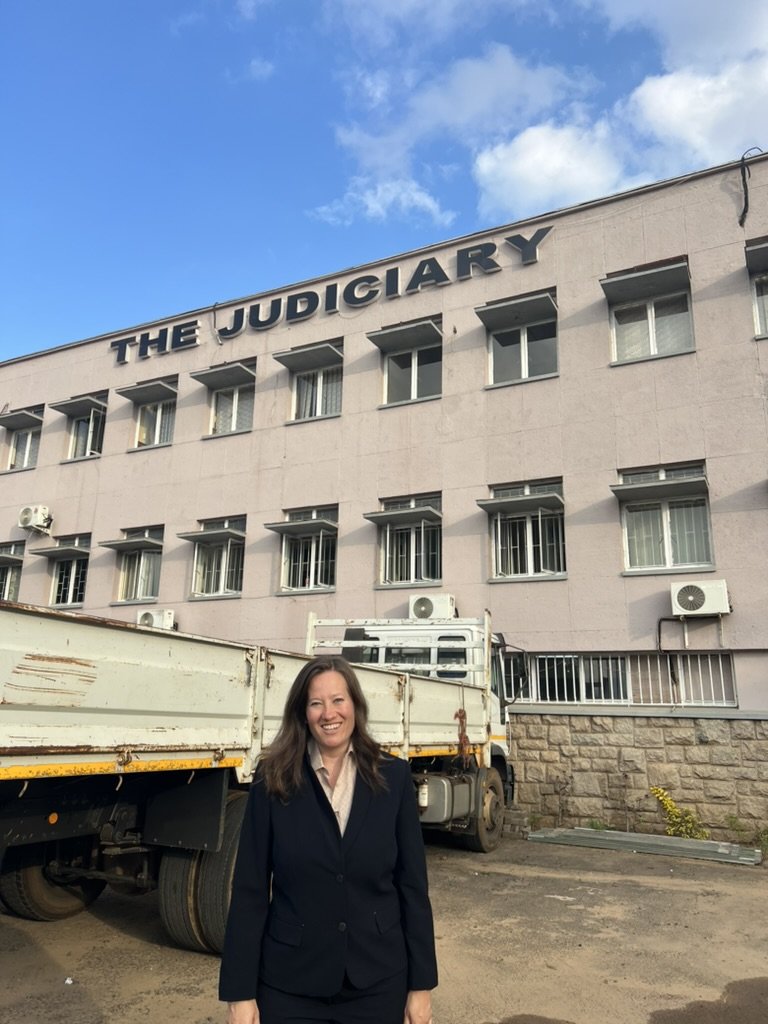
Out in front of the Malawi Judiciary on the first day of work.
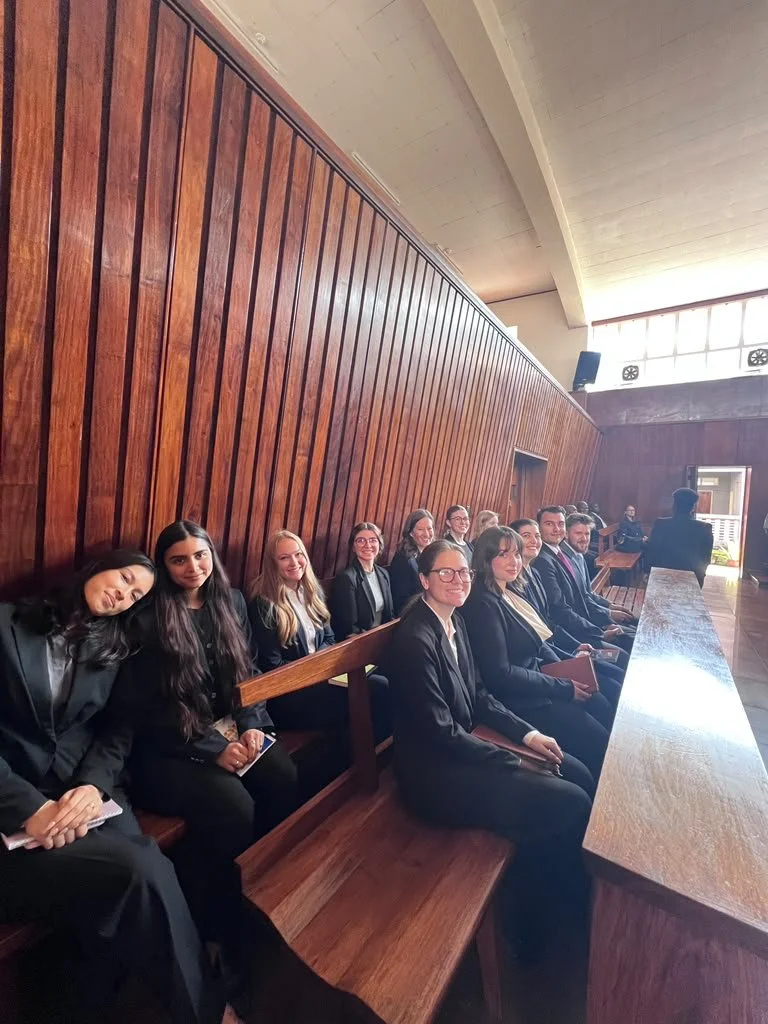
Observing the Malawi Supreme Court.
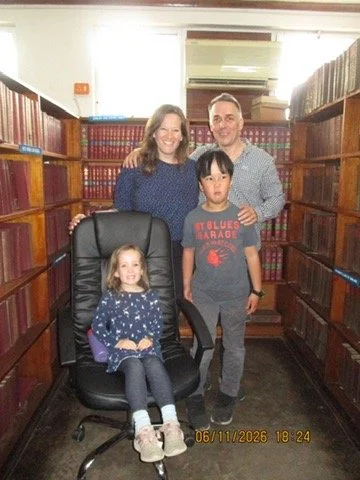
At the Judiciary Library.